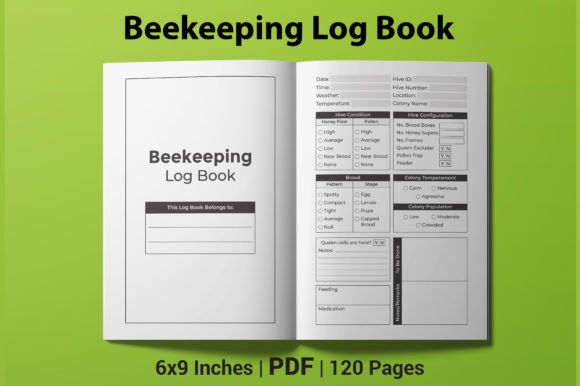
Beekeeping Log Book Template: A Practical Guide for Beekeepers
Keeping a detailed record of hive inspections, colony health, and honey yields is a cornerstone of successful beekeeping. Whether you manage a single hive or an apiary of dozens, the ability to track trends, identify problems early, and refine your management practices often depends on consistent note-taking. A Beekeeping Log Book Template provides a structured format for this essential task, and the availability of ready-to-upload interior files for Amazon KDP makes it accessible for self-publishers and beekeepers alike. This article explores what these templates offer, their practical benefits, potential tradeoffs, and how to decide if a pre-designed log book interior is the right choice for your needs.
What is a Beekeeping Log Book Template?
At its core, a beekeeping log book template is a pre-formatted document designed to help beekeepers systematically record observations from each hive visit. Common fields include date, time, weather conditions, hive strength, queen status, presence of pests or diseases, honey stores, and any actions taken (e.g., feeding, mite treatment, adding supers).
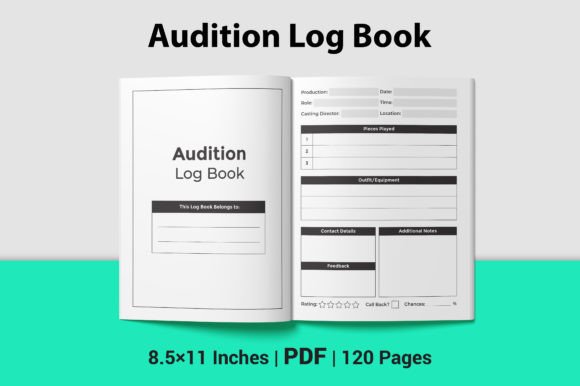
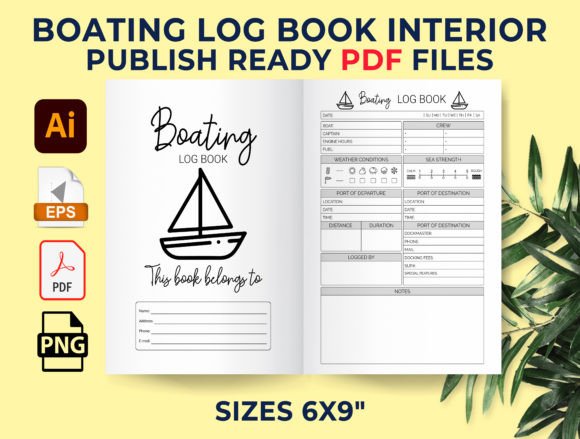
In the context of Amazon KDP publishing, the term interior refers to the inside pages of a paperback book. A Beekeeping Log Book Template in this sense is a complete interior file—often provided in PDF, AI, EPS, and JPG formats—that you can download and upload directly to KDP. The standard specifications for such a product include dimensions of 6×9 inches, page counts of 100, 110, or 120 pages, no bleed, and high-resolution, print-ready files. You would still need to create your own cover. The emphasis is on providing a practical, ready-to-use tool that minimizes your prep time if you want to publish a beekeeping log book.
Why Consider a Structured Log Book Template?
Many beekeepers start with scraps of paper, a notebook, or digital notes. Over time, the need for consistency and easy comparison becomes apparent. Here are several reasons someone might be interested in a dedicated log book template:
- Organization: A structured layout ensures you don’t forget key observation points during a hive inspection.
- Trend Analysis: When data is recorded in the same fields each time, you can quickly compare conditions across dates and hives.
- Record Keeping for Management: Many beekeeping decisions—like timing Varroa treatments or splitting hives—become more accurate with historical data.
- Publishing Opportunity: If you are an author or content creator, a log book interior can be a low-effort product to add to your KDP catalog.
The template format helps eliminate the guesswork of designing a log book from scratch, making it attractive for both personal use and commercial publishing.
Advantages of Using a Pre-Made Interior
A well-designed Beekeeping Log Book Template saves you significant time. Instead of creating tables, spacing, and headers in a word processor or design software, you receive print-ready files. The high-resolution interiors ensure clean text and lines when printed. The inclusion of multiple file formats (PDF, AI, EPS, JPG) gives you flexibility—you can make minor edits in vector software or simply use the PDF as is.
From a publishing standpoint, the fact that the PDF is “100 ready for Amazon KDP uploading” simplifies the process. You only need to add a cover, set your trim size (6×9), and upload. The no-bleed specification is common for interiors that don’t have full-page images, reducing the risk of trimming errors.
For the end-user (the beekeeper who buys the book), the template’s structured fields provide a consistent framework. You can track specific metrics like hive weight, brood pattern, or nectar flow without designing your own logs. This consistency is especially valuable when managing multiple hives or mentoring new beekeepers.
Potential Drawbacks and Tradeoffs
No template is one-size-fits-all. A pre-designed log book interior may have fields that are irrelevant to your beekeeping style or omit ones you consider essential. For example, a template might include sections for “type of bee” (Italian, Carniolan, etc.) but lack a dedicated space for “pollen stores.” If you need customization, you may need to edit the AI or EPS files, which requires software proficiency. Without those skills, you are stuck with the provided layout.
Another consideration is page count. With 100, 110, or 120 pages, consider how many hives you manage and how often you inspect. A 100-page log book with one page per inspection might last a season for a few hives, but a large apiary might exhaust it in weeks. Conversely, a 120-page book with multiple entries per page could last years for a small hobbyist. You need to match the page count to your expected usage.
Because the product is an interior only, you must create your own cover. For a personal log book, a simple cover might suffice. For a KDP product, you need a professional-looking cover that sells. This adds extra work and potential cost if you hire a designer.
Expectations for Quality and Usability
When you download a Beekeeping Log Book Template in PDF format, expect that the file is print-ready at 300 DPI. The lines and text should be crisp, and the layout should accommodate the 6×9 inch trim size without awkward margins. A good template will have sufficient space for handwriting—typically line spacing of 6-8mm or tables with reasonable cell sizes. Some templates include a table of contents or an introductory page, but these are not guaranteed.
Remember that the interior is designed for printing. If you intend to use it digitally (e.g., on a tablet with a note-taking app), you might need to convert the PDF to a fillable form yourself. The JPG version can be used for quick digital note-taking, but it lacks interactivity.
Scenarios Where This Template is a Strong Fit
The Beekeeping Log Book Template shines in several contexts:
- New Beekeepers: If you are starting your first hive, having a guided template helps you learn what to observe and record. You can refer to past notes as you gain experience.
- Small-Scale Hobbyists: For those with 1–5 hives, a physical log book with pre-printed fields keeps records accessible without needing a phone or computer at the apiary.
- Publishers Entering the Niche: If you already publish educational beekeeping content, a log book interior is a natural companion. You can bundle it with guides or sell it as a standalone product.
- Giving as Gifts: A printed log book makes a practical gift for a beekeeping friend, especially if you personalize the cover.
In these cases, the time savings and convenience of a ready-made interior outweigh the lack of customization.
When Alternatives May Be Worth Considering
Not every beekeeper or publisher will benefit from this template. Here are situations where you might look elsewhere:
- Experienced Beekeepers with Specific Systems: If you have developed your own inspection method (e.g., using a particular scoring system for hive health), a generic template may not fit. You might prefer a blank notebook or a custom-designed spreadsheet.
- Large-Scale Apiaries: Commercial beekeepers managing dozens or hundreds of hives typically need digital solutions for speed and data aggregation. A printed log book becomes impractical. Digital apps or custom databases are more efficient.
- Publishers Wanting a Different Format: If you envision a log book with spiral binding, landscape orientation, or mini size (e.g., 4×6 pocket book), the 6×9 standard template won’t work. You would need to create a new interior.
- Budget-Conscious Hobbyists: If you don’t intend to publish and only need a few copies for personal use, printing a free online template or using a simple notebook may be cheaper than buying a paperback on Amazon.
Additionally, if you need bilingual fields, metric vs. imperial units, or specialized sections (e.g., queen rearing records), you may have to modify the template or find a more specialized option.
Practical Decision-Making Insights
Before committing to a Beekeeping Log Book Template for your own use or publishing, ask yourself these questions:
- What is your primary goal? If it’s personal record keeping, prioritize a layout you will actually use. If it’s publishing, focus on market demand and production ease.
- How much customization do you need? If you have the skills to edit AI or EPS files, you can adapt the template. Otherwise, assess whether the default fields match your common observations.
- What is your timeline? A ready-to-upload PDF can get a book live on KDP in hours (after cover creation). Designing an interior from scratch or hiring someone takes longer.
- What is your budget? The template itself is usually inexpensive (often under $10), but factor in the cost of cover design and possibly printing proofs if you want to check quality.
For most hobbyist beekeepers who want a dedicated log book without designing one, this template is a convenient choice. For publishers, it offers a quick way to expand your product line. For those needing deep flexibility or digital integration, alternatives are better.
Final Thoughts on Choosing a Beekeeping Log Book Template
A Beekeeping Log Book Template serves a straightforward purpose: to provide a structured, print-ready document for recording hive information. Its value lies in the time it saves and the consistency it enforces. By understanding the tradeoffs—limited customization, fixed page count, the need for a separate cover—you can make an informed decision. Whether you are a beginner looking for guidance, an experienced beekeeper wanting a clean record, or an Amazon seller seeking a new niche product, the template’s practicality is clear. Just ensure it aligns with your specific recording habits and long-term goals. When it does, the log book becomes more than paper—it becomes a tool for better beekeeping decisions.