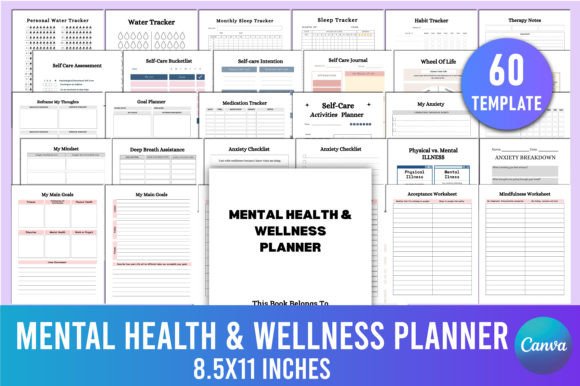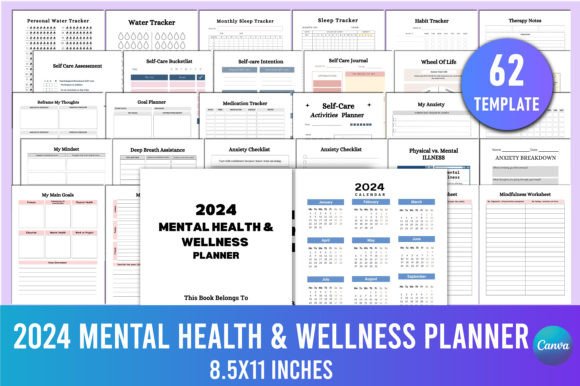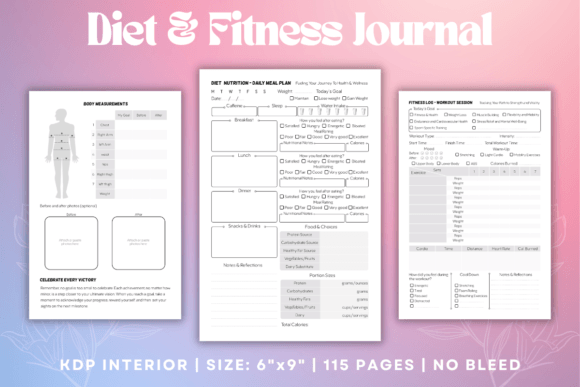
Daily Health Tracker
Tracking your health habits daily can feel like just another task on a long list. But with a Daily Health Tracker, it becomes a practical tool for understanding your body, noticing patterns, and making small adjustments that add up over time. Whether you are a creator juggling multiple projects, a small business owner with a packed schedule, or a freelancer trying to stay consistent, this kind of tracker helps you align your routines with your actual energy levels and needs.
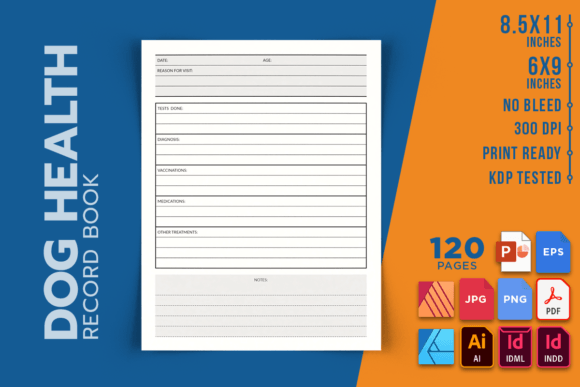
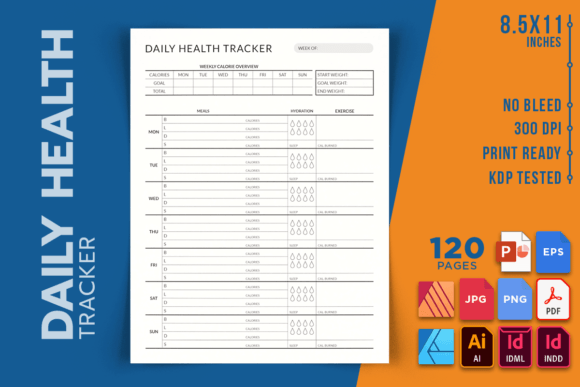
The Daily Health Tracker KDP Interior offers a ready-to-use format that simplifies the process. At 8.5 x 11 inches with 120 pages and high-quality 300 DPI resolution, it is designed for clarity and ease of use. But beyond the layout, what makes this tracker interesting is how it can be adapted to fit different lifestyles, goals, and creative workflows.
What a Daily Health Tracker Actually Does
At its core, a daily health tracker is a structured way to record habits, symptoms, moods, meals, movement, sleep, or any other wellness metric you care about. It turns vague intentions like “I want to be healthier” into specific, trackable actions. Instead of relying on memory or guesswork, you have a written record that shows what actually worked and what did not.
For someone designing their own productivity system, the tracker can double as a morning planning tool. For a parent managing a household, it can help identify stress triggers or sleep disruptions. The key is that it does not prescribe a rigid method; it provides a flexible framework that you populate with what matters most to you.
Creative Ways to Use the Tracker
The real value of a Daily Health Tracker emerges when you start experimenting with how you fill it. Here are several approaches that go beyond the obvious checkboxes:
Combine It with a Habit Stacking Routine
If you already have a set of habits you want to build, use the tracker as a simple done or not done log. Pair each health action with an existing habit. For example, after your morning coffee, record your water intake. After you close your laptop for the day, note your steps or movement. The tracker then becomes a visual chain that reinforces consistency without requiring extra decision-making.
Use It as a Mood and Energy Journal
Instead of just tracking physical metrics, add a small section for mood ratings or energy levels. Over a few weeks, you might notice that low energy correlates with certain meals or lack of sunlight. This kind of insight is hard to get from memory alone. The tracker makes it visible, helping you adjust your day accordingly.
Create a Weekly Review Ritual
Set aside ten minutes each Sunday to flip through the past week. Look for patterns: Did you sleep better on days you walked? Did your focus improve after a certain meal? Use the tracker not just as a log, but as a conversation starter with yourself. This weekly review turns data into actionable changes.
Adapting for Different Audiences and Goals
One of the strengths of the Daily Health Tracker KDP Interior is its neutral, clean layout. Because it does not force a specific category system, it can be repurposed for many contexts:
For Creators and Freelancers
Creativity often depends on physical well-being. Use the tracker to log sleep quality, screen breaks, and movement. When you see that long sitting sessions correlate with creative blocks, you can schedule short movement breaks before starting a demanding project. The tracker becomes a creativity tool, not just a health tool.
For Marketers and Bloggers
If you create content about wellness or productivity, the tracker can serve as a real-world example. Document your own journey and share insights with your audience. It adds authenticity to your content and gives followers a concrete method to try themselves.
For Small Business Owners
Running a business often means long hours and irregular routines. A health tracker helps you maintain baseline habits despite a fluctuating schedule. Track sleep, hydration, and stress levels alongside your work tasks. Over time, you may notice which business activities drain your energy and which ones fuel it.
For Educators and Hobbyists
Teachers or workshop leaders can use the tracker as a simple experiment with students or participants. Ask everyone to log one health habit for a week and discuss patterns. It is a low-stakes way to introduce data literacy and self-awareness in a group setting.
Practical Tips for Keeping Results Clear and Useful
A tracker only works if it is easy to maintain and review. Here are some practical guidelines:
- Start small. Choose three metrics to track for the first week. Add more only when the habit feels automatic. Overloading a new tracker leads to abandonment.
- Be consistent with timing. Fill in the tracker at the same point each day, whether right after breakfast or before bed. Consistency reduces the chance of forgetting entries.
- Use symbols or colors. If the printed format allows, assign a simple icon or color dot to each category. This makes scanning past weeks faster and more intuitive.
- Review monthly. Once you have a few weeks of data, look for trends rather than single-day anomalies. A pattern of low hydration on workdays is more useful than one random dry day.
- Keep it private. Some health data is personal. If you share your system publicly, consider aggregating insights or anonymizing details. The tracker is first and foremost a tool for your own awareness.
Variations in Style and Approach
Not everyone tracks health the same way, and the Daily Health Tracker can accommodate different preferences:
- Minimalist approach: Only log what you actually changed that day. If nothing changed, leave it blank. This reduces pressure and keeps the focus on intentional action.
- Detailed approach: Use the full 120 pages to record meals, exercise type, sleep duration, mood notes, and any supplements. This works well for people with specific health goals or conditions they want to monitor closely.
- Visual approach: Draw simple graphs or use dot patterns to represent progress. The clean 8.5 by 11 inch layout leaves room for small sketches or notes alongside the structured fields.
- Flexible approach: Use each page for a different category. For example, dedicate one week to sleep tracking, the next to hydration, and the next to movement. This keeps the process varied and prevents boredom.
Making It a Sustainable Practice
The biggest challenge with any health tracker is maintaining momentum after the initial enthusiasm fades. To make it last:
- Keep the tracker in a visible spot on your desk or workspace. Out of sight often means out of mind.
- Pair it with an existing routine. If you already open a planner or notebook each morning, add the tracker to that workflow.
- Forgive missed days. Missing one or two entries does not break the system. Simply resume the next day without guilt.
- Celebrate small wins. When you see a streak of consistent hydration or better sleep, take a moment to acknowledge it. Positive reinforcement builds long-term habits.
From Tracker to Lifelong Tool
A Daily Health Tracker is not about perfection. It is about awareness and gradual improvement. Whether you use the Daily Health Tracker KDP Interior as a standalone journal or as part of a larger productivity system, the value comes from showing up each day with honest observations. Over time, those small daily notes become a meaningful record of how you live, work, and feel.
For anyone who wants to bring more intention to their health without adding complexity, this format provides a simple starting point. Print it, fill it, review it, and adjust. The rest is just consistency.